
Available Protection Dogs for Sale
Fully trained German Shepherd protection dogs developed for real-world security, control, and long-term reliability. Limited placements available.
How Our Protection Dogs Are Selected
Every dog in our program is carefully selected based on temperament, clarity, and long-term reliability. We focus on stability under pressure, environmental confidence, and the ability to perform in real-world situations — not just controlled settings. Only a small percentage meet the standard required for personal and estate protection placement.
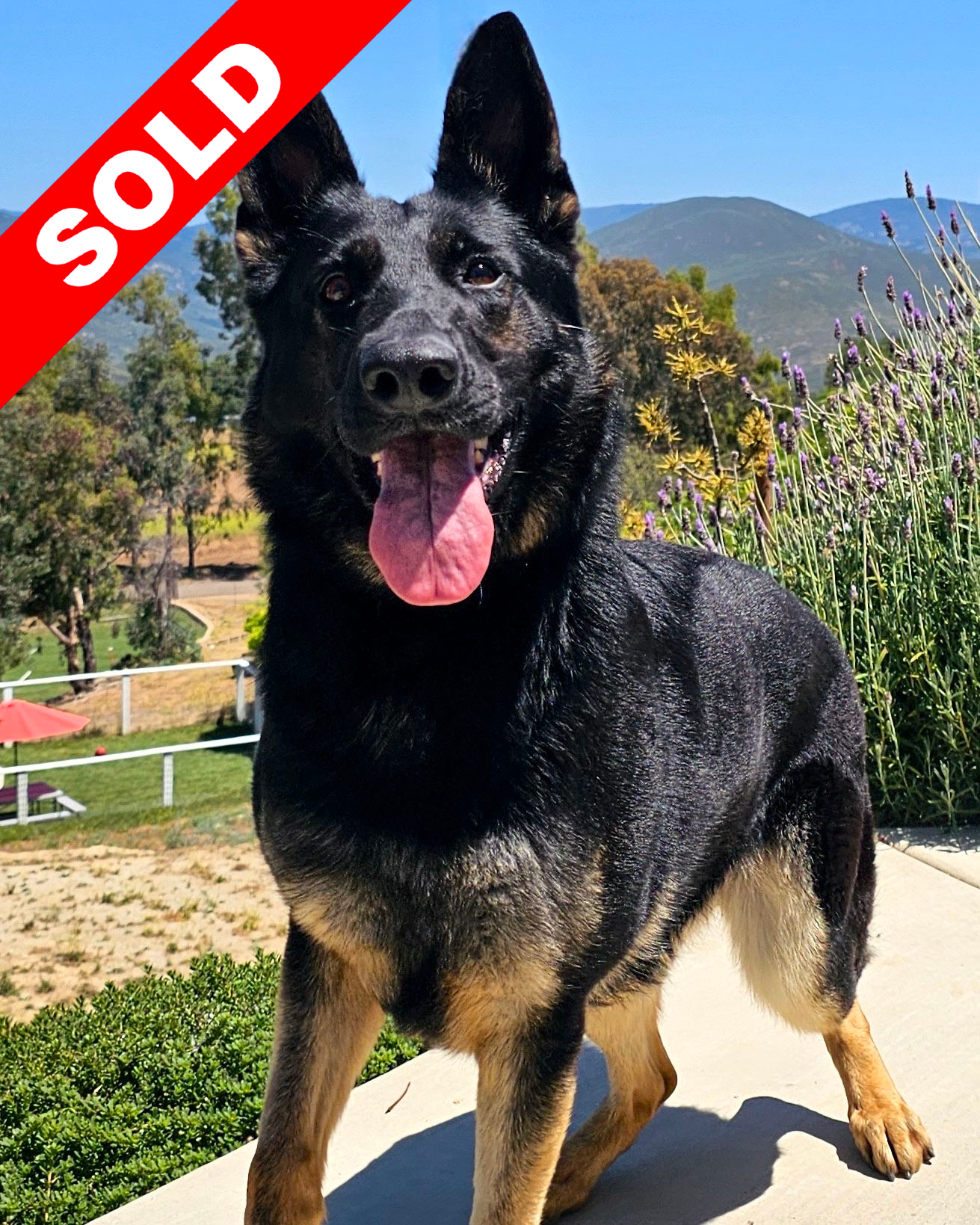
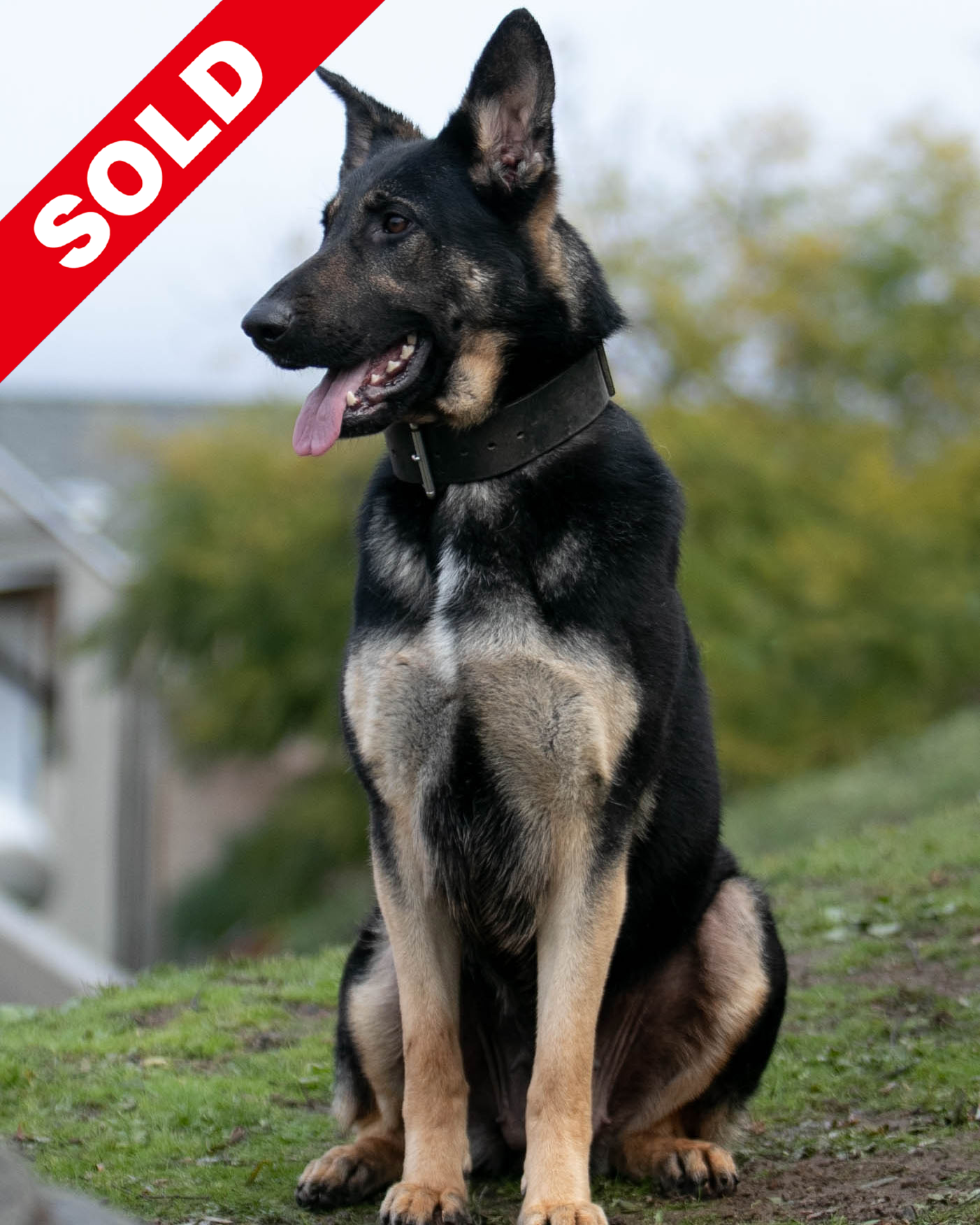
Available Females
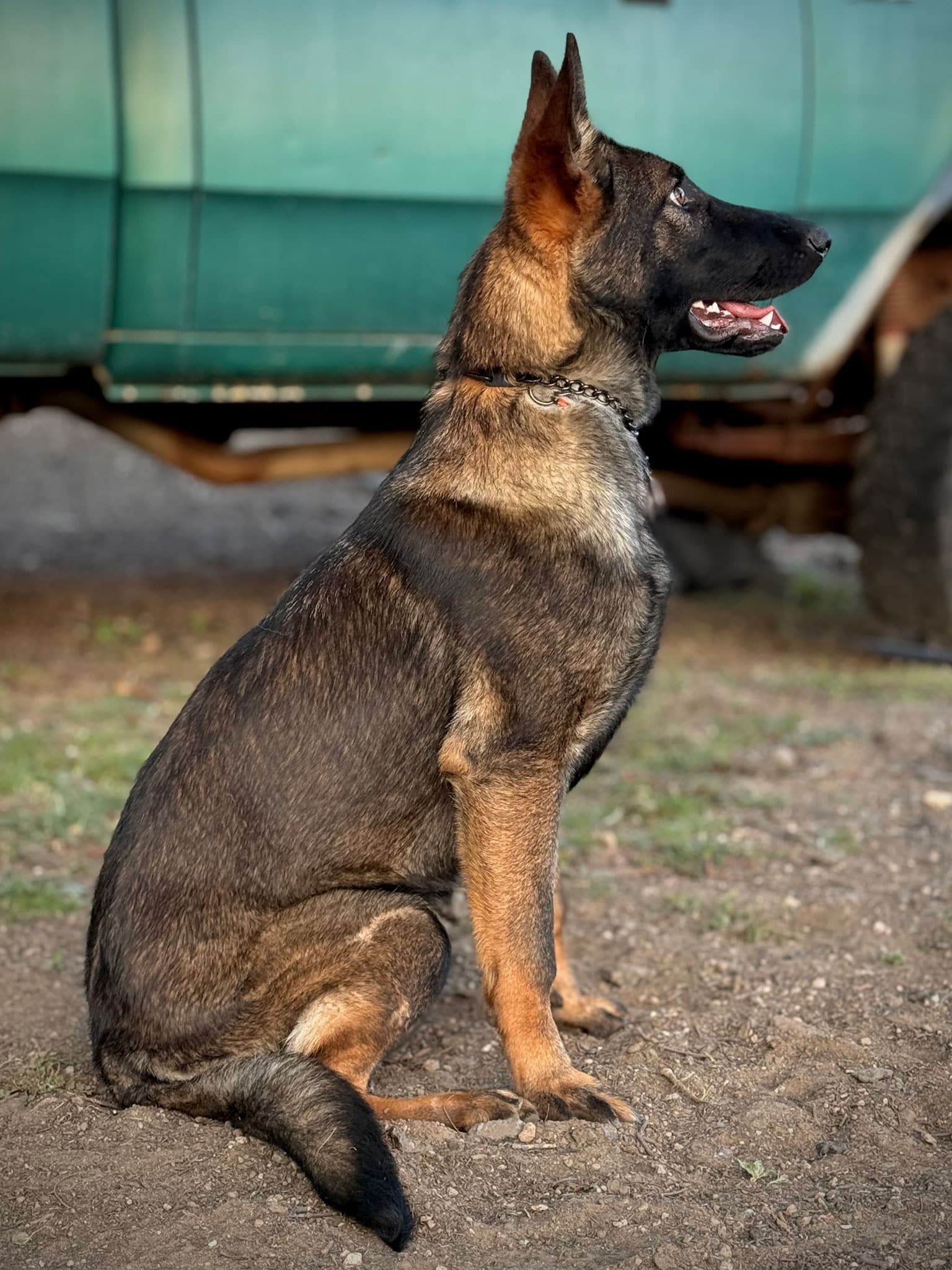
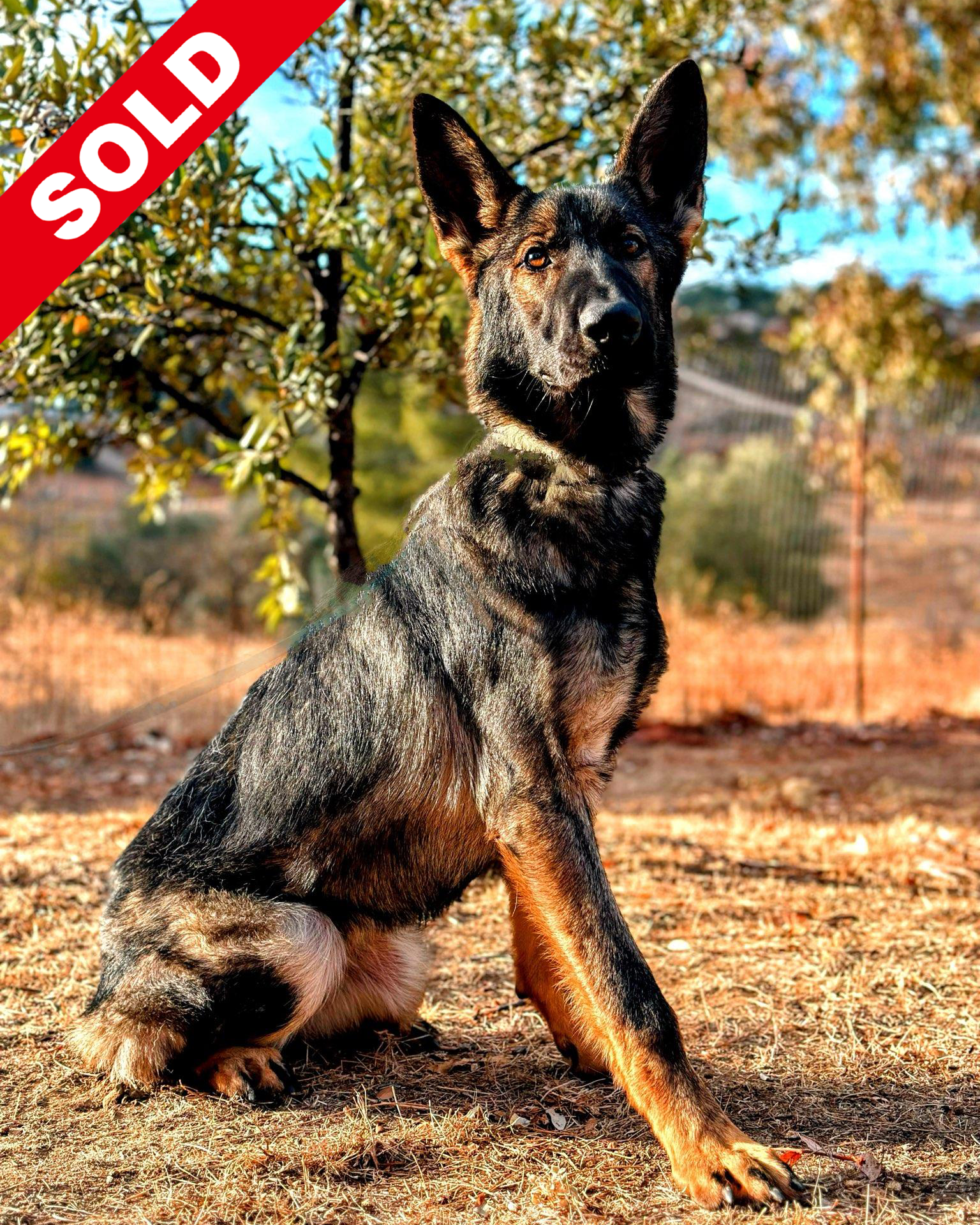
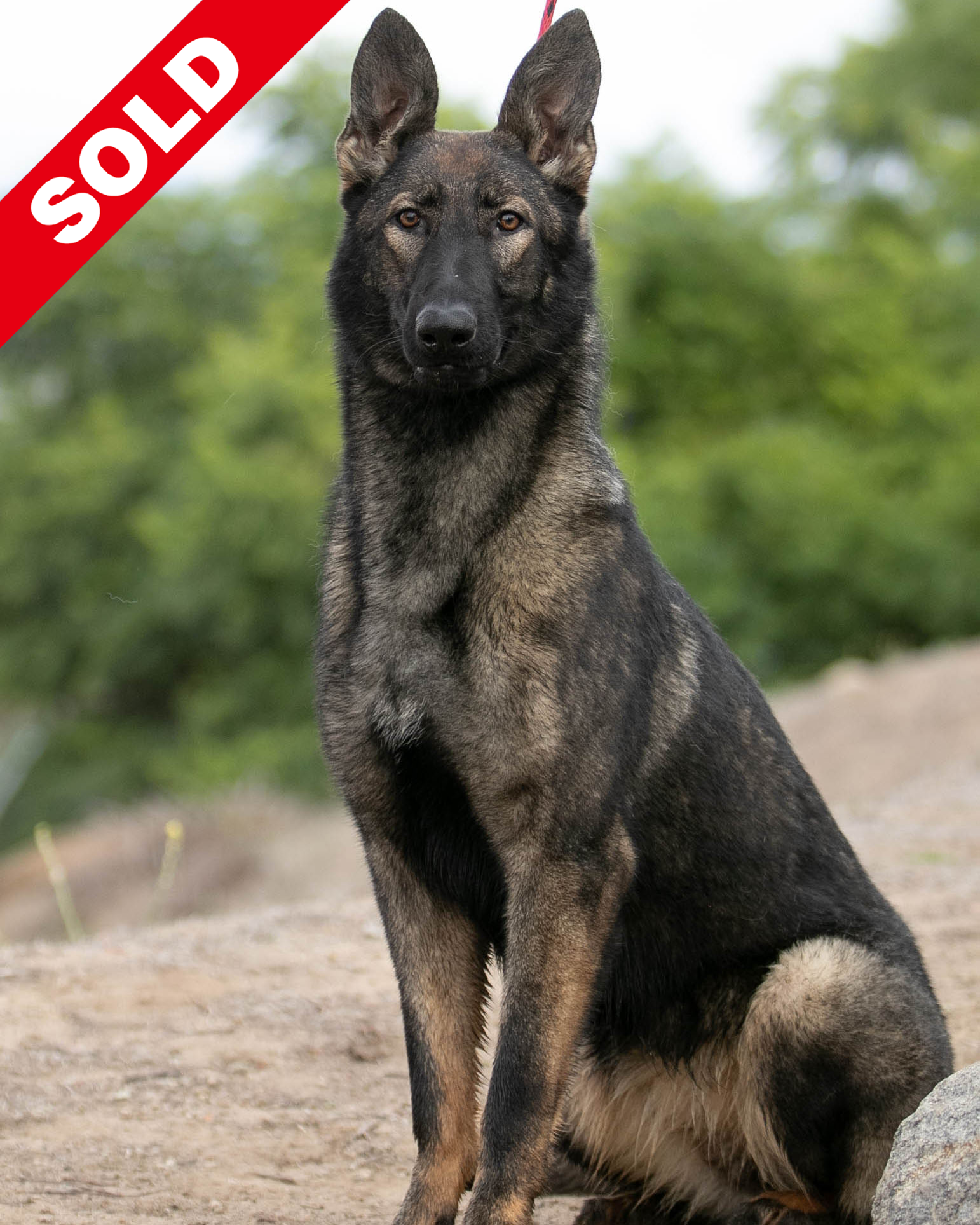
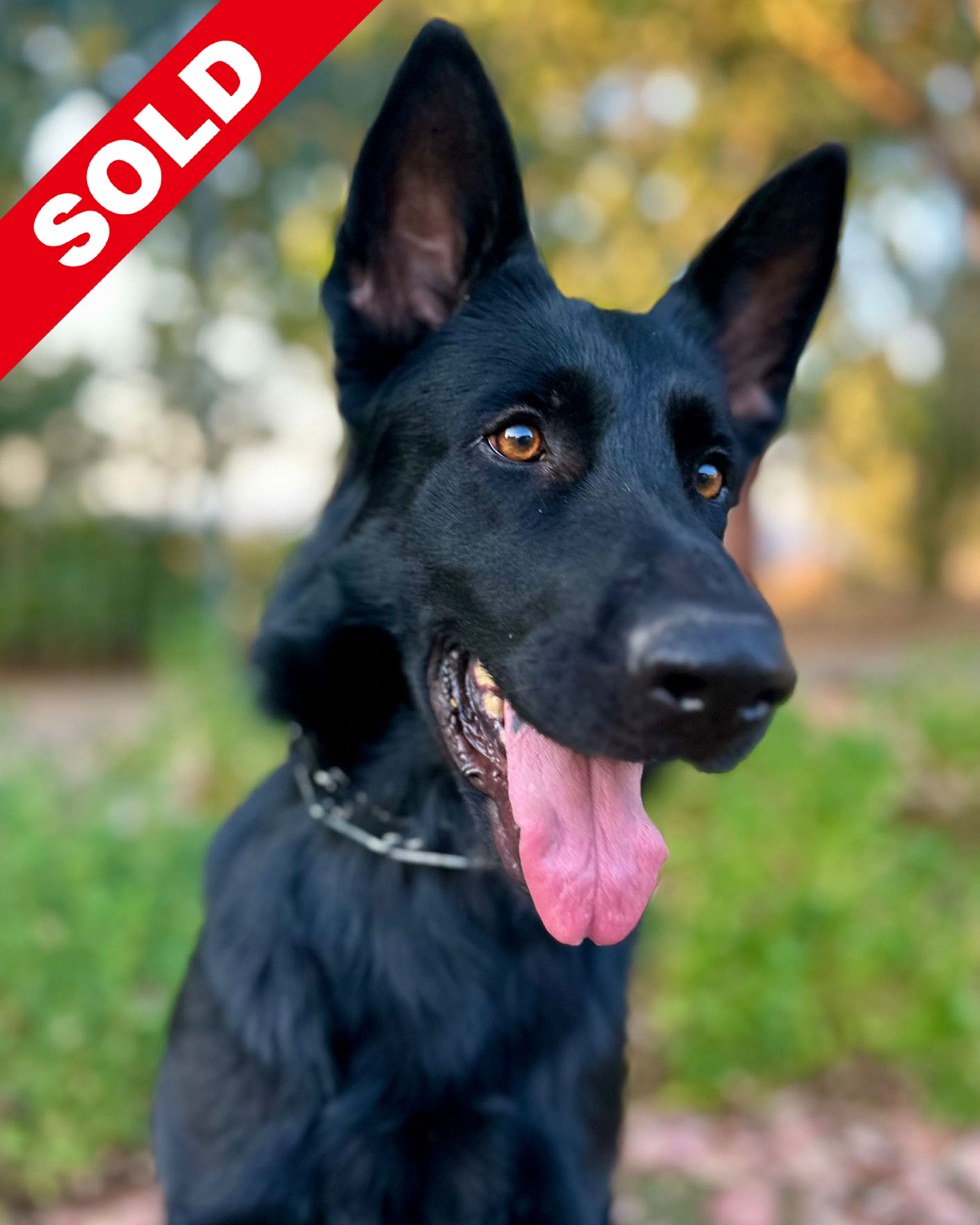
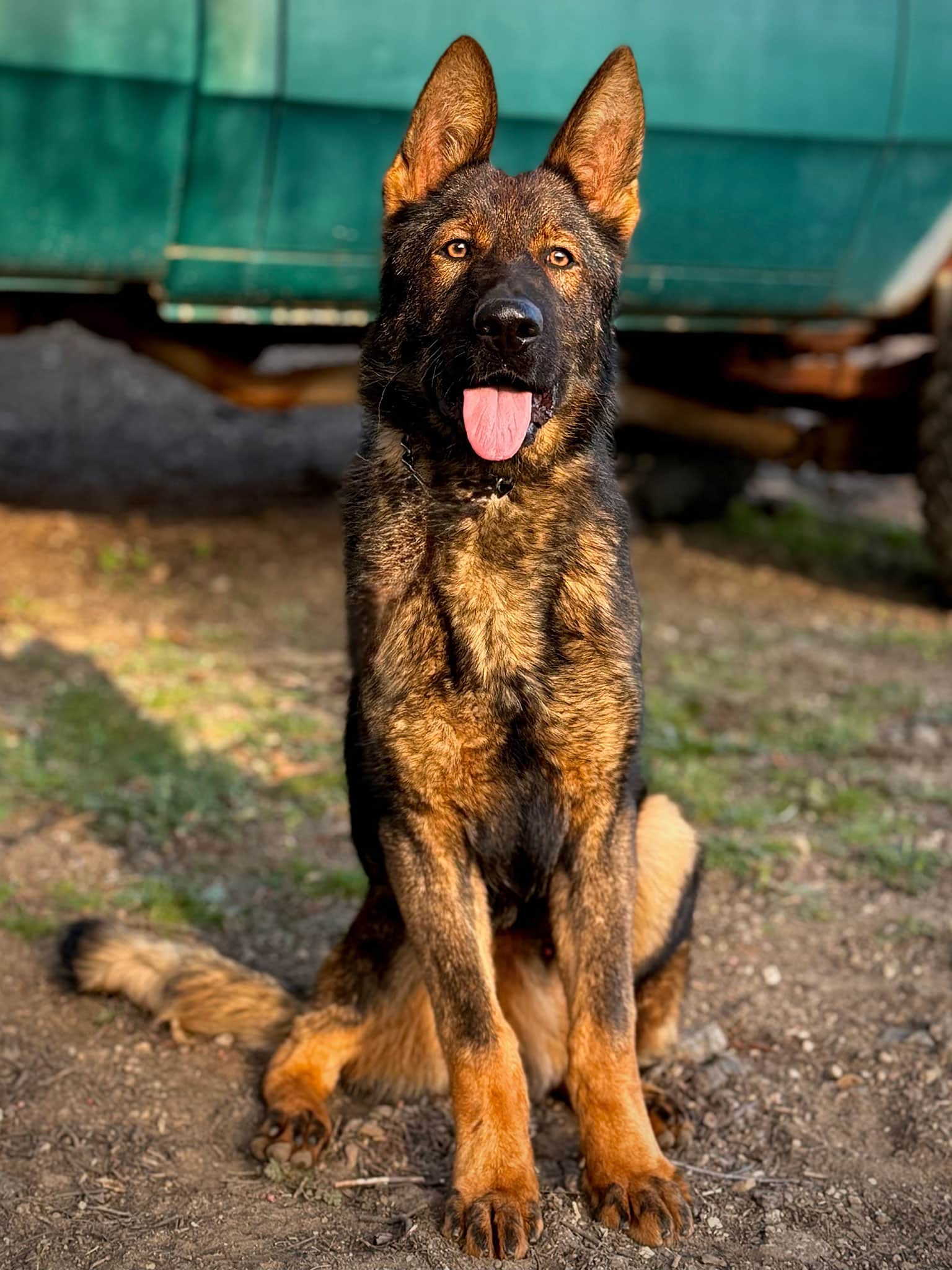
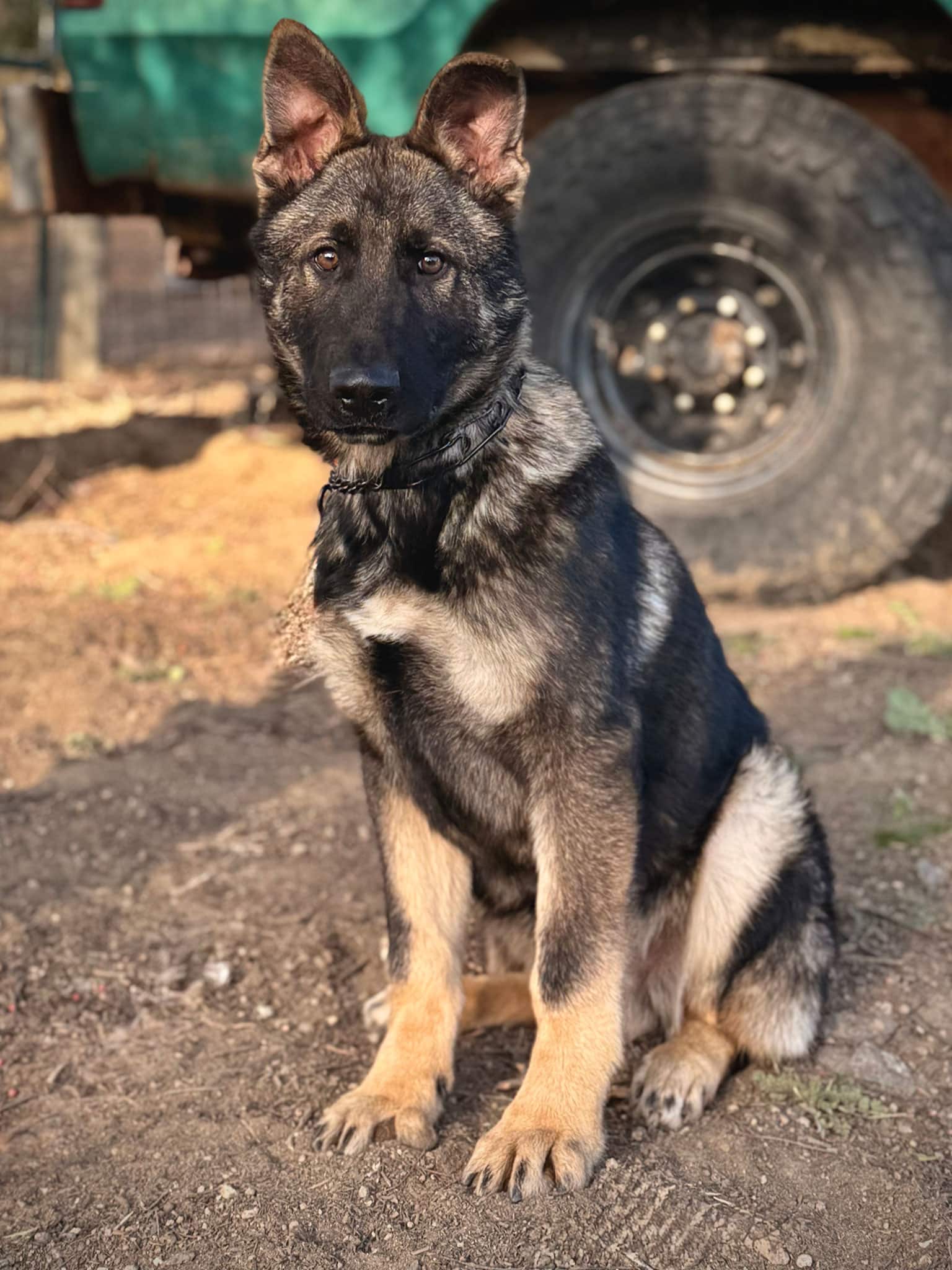
Available Males

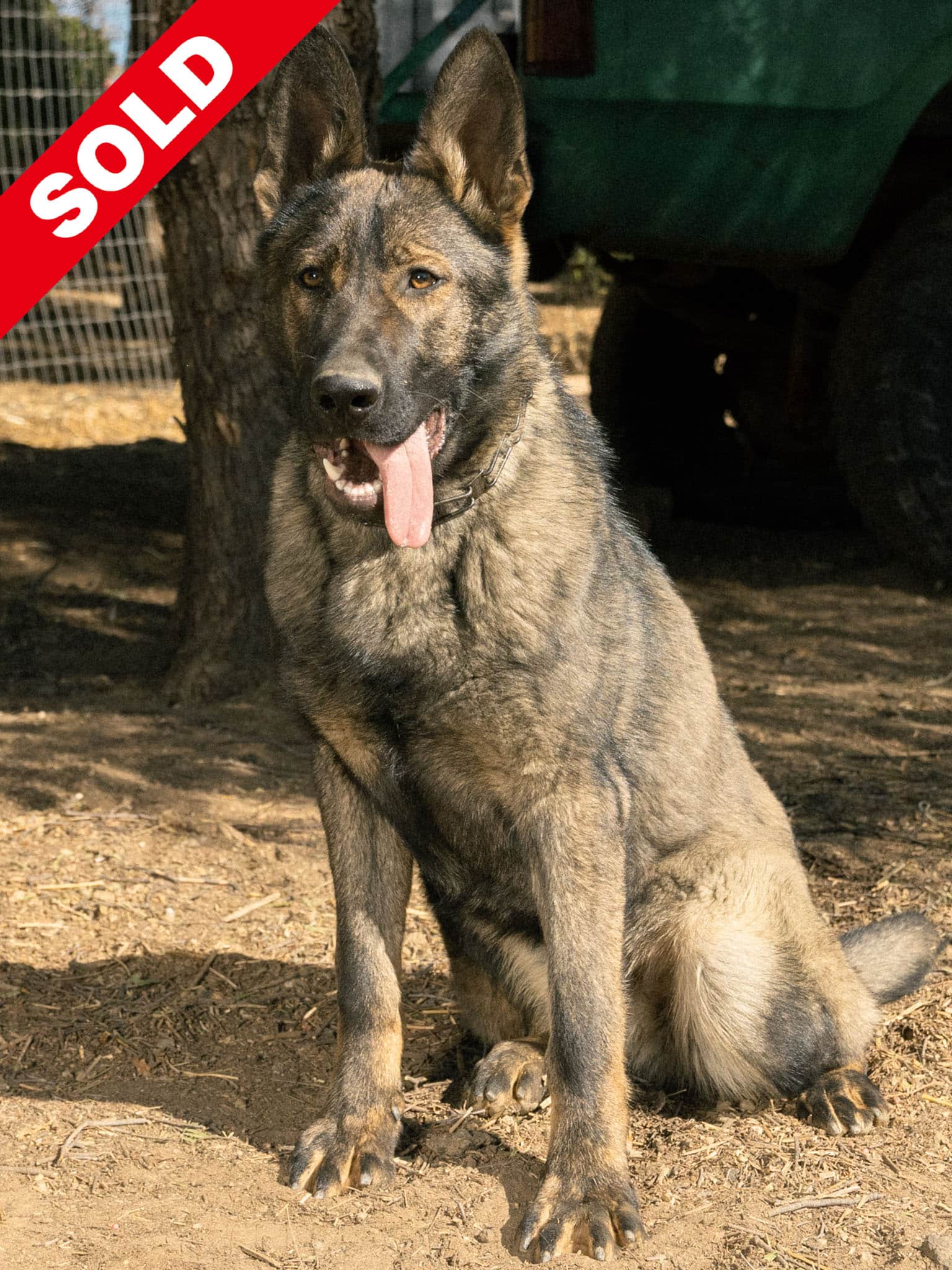

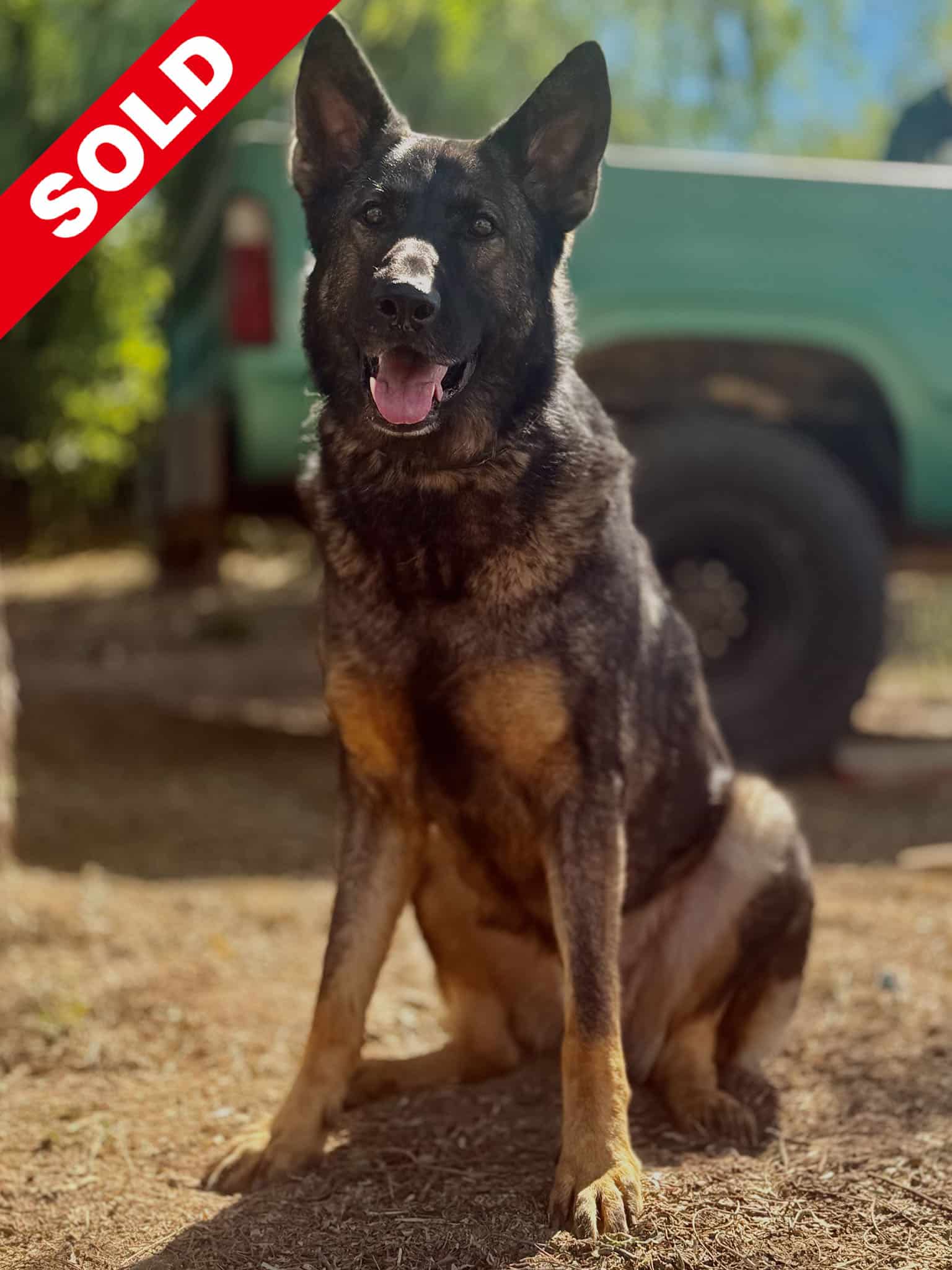

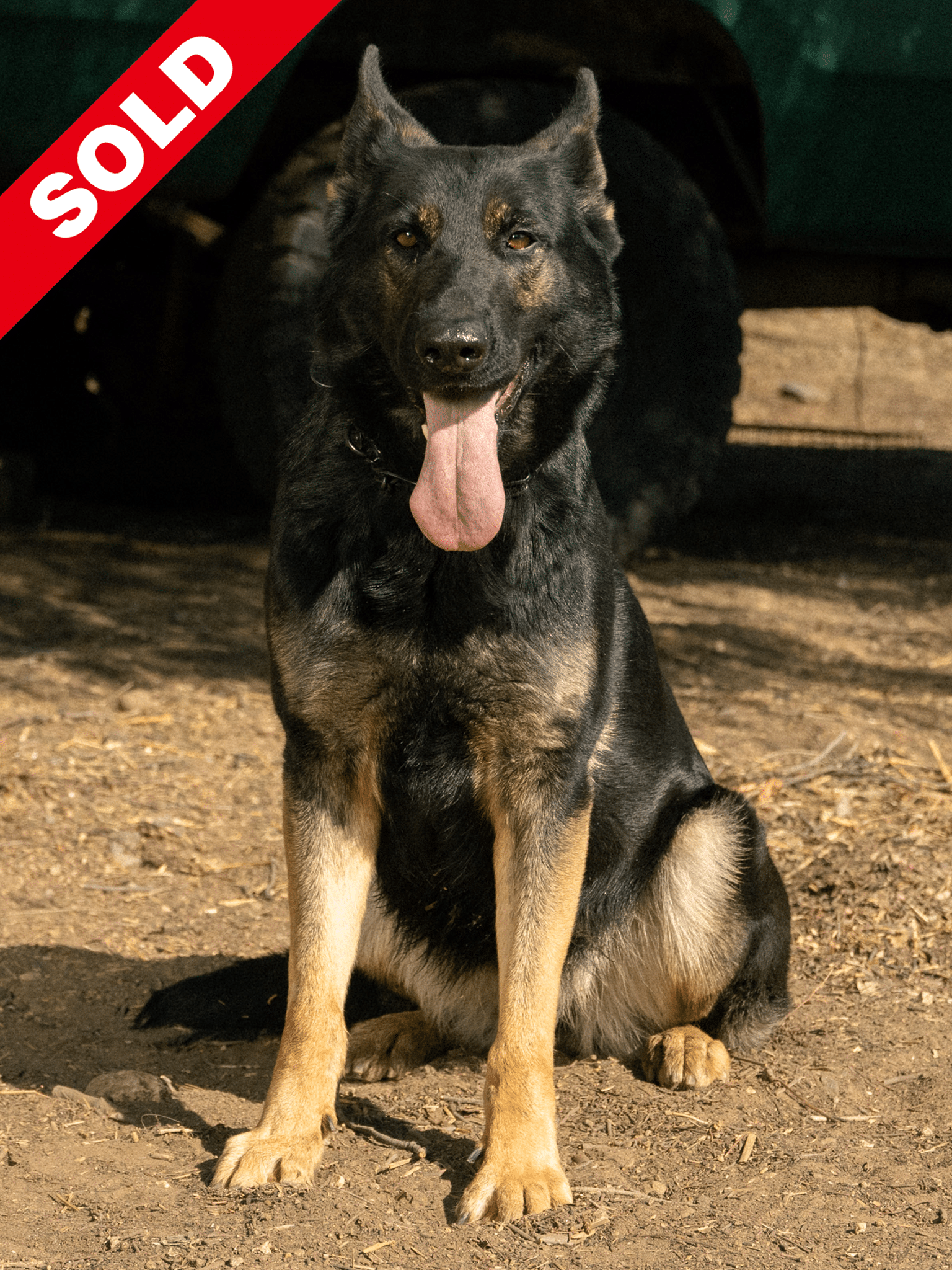
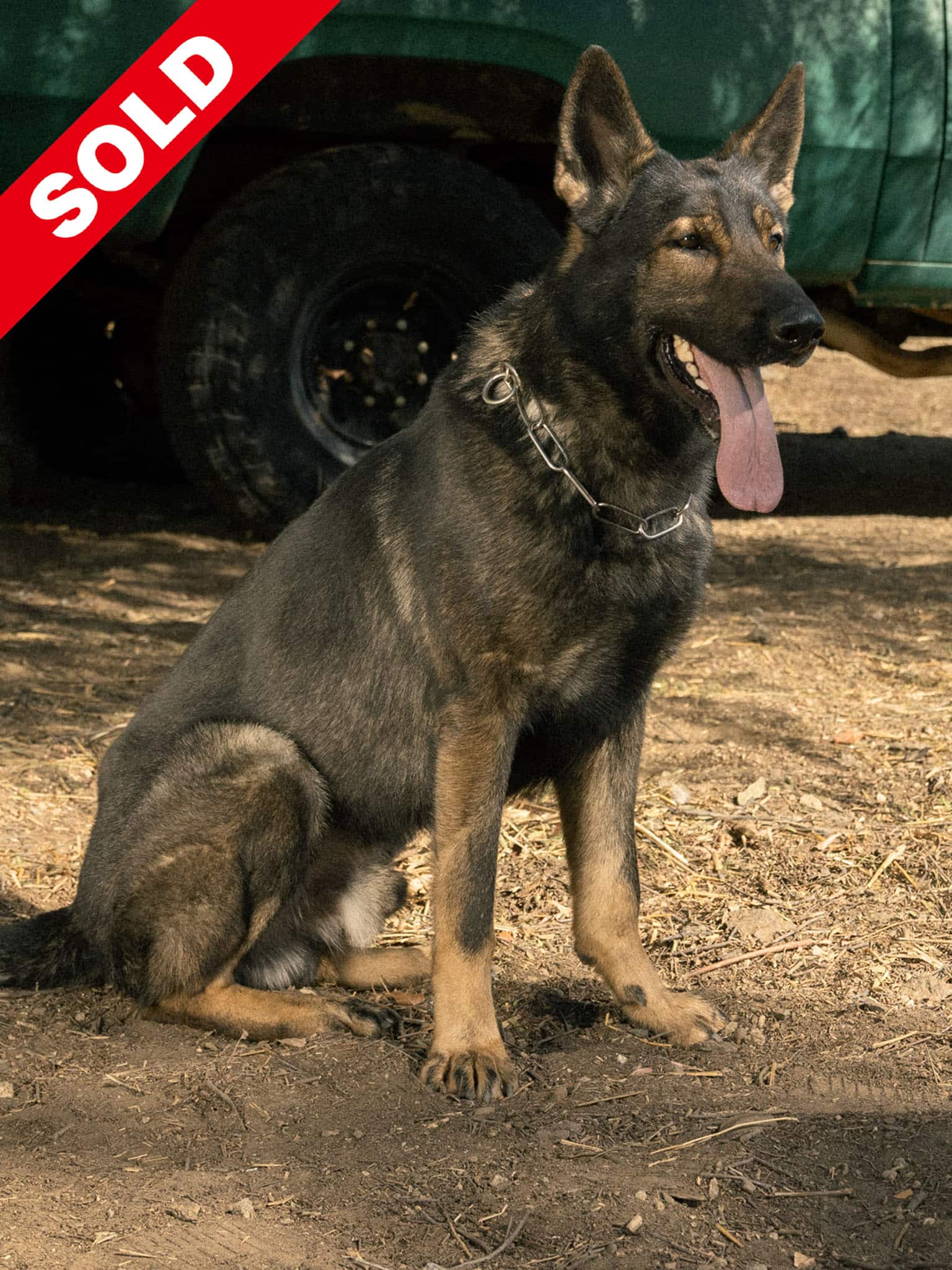
While we do our best to update this page we sometimes have available dogs that are not listed here. Please contact us at 619-547-0381 or send an email and we can help you!
Protection Dog FAQs
How much does a protection dog cost?
Protection dogs are a premium, highly specialized investment. Pricing reflects the time, development, and level of training required to produce a reliable, real-world protection dog. Each placement includes the trained dog, in-person delivery, handler training, and continued support to support long-term success.
What is the training process like?
Our dogs are trained in real-world environments, not just controlled settings. Training includes advanced off-leash obedience, protection on command and by threat, environmental exposure, and scenario-based work. The focus is always on clarity, control, and reliability, not aggression.
What makes a protection dog different from a trained dog?
A trained dog can follow commands in controlled environments. A protection dog is developed to perform reliably under pressure and in real-world situations. This includes environmental stability, clear-headed decision-making, and the ability to respond appropriately to legitimate threats while remaining safe and controlled in everyday life.
Who can benefit from a trained protection dog?
Protection dogs are well suited for families, executives, property owners, and individuals who prioritize security and peace of mind. They are especially valuable for those with larger properties, higher visibility, or a need for dependable, real-world protection.
Are protection dogs safe around families and children?
Yes. Properly trained protection dogs are stable, controlled, and safe in the home. They are taught to distinguish between normal daily interactions and legitimate threats, allowing them to integrate into family life while maintaining their protective capability.
What commands and capabilities do your dogs have?
Our dogs are trained in advanced obedience and protection work, including off-leash control, recall, place, and directional commands. Protection capabilities include responding to threats, controlled engagement, and immediate disengagement on command, ensuring both effectiveness and control.
Can your dogs perform in real-world environments?
Yes. Our training emphasizes real-world exposure, including public environments, varied terrain, and unpredictable situations. This ensures each dog can perform reliably outside of controlled training settings, where real protection matters most.
Training, Temperament & Development
How do you select and evaluate your protection dogs?
At Taylor Made Working Dogs, every dog goes through a meticulous selection and development process from an early age. We evaluate temperament, drive, structure, health, and long-term potential, sourcing German Shepherds from proven working lines with the stability and clarity required for protection work.
As each dog progresses, we continuously assess training level, environmental confidence, and how drive presents in real-world situations. This allows us to understand each dog’s strengths and determine the role where they will perform best.
Every placement is intentional. Whether a client needs an estate protection dog or a stable, well-mannered companion capable of public access, we match the dog’s temperament, energy, and capabilities to the environment where it will thrive and perform reliably.
What training levels do your dogs progress through?
Entry / Puppy / Green: Early in development with little to no formal training. Evaluated for health, temperament, and working potential.
Novice: Early protection training including foundational obedience, responsiveness, bark on command, and initial bite work.
Basic: Reliable obedience with sit, down, recall, loose-leash heeling, place, and household manners, with progressing protection work.
Advanced Protection: Off-leash obedience integrated into real-life scenarios such as home defense, public environments, and vehicle situations.
Expert Protection: Fully developed protection dog with high-level obedience, control, and the ability to function across family, estate, and executive protection roles.
What temperament types do you evaluate?
Aloof: Independent, composed, and reserved. Focused on handler over social interaction.
Nervy: Displays fear, instability, or reactivity. Not suited for most environments.
Open: Social, confident, and expressive. Capable of working in both protection and public-facing roles with proper training.
What drive levels do you evaluate?
No Drive: Minimal motivation beyond basic needs.
Low Drive: Calm and steady, suited for lower-intensity roles.
Medium Drive: Balanced, focused, and adaptable. Ideal for most protection roles.
High Drive: Intense and demanding. Best suited for experienced handlers or advanced working environments.
What do endurance and strength of drive mean?
Endurance of Drive: The ability to sustain focus and intensity over time.
Strength of Drive: The willingness to push through pressure, obstacles, and discomfort to complete a task.
Is health a focus for Personal Protection Dogs?
Yes. Health and structural soundness are foundational to long-term performance. We prioritize dogs that can maintain durability, stability, and consistent behavior over time.
Do you provide support after placement?
Yes. Every placement includes in-person handler training and continued support to ensure a smooth transition and long-term success.
What is the next step?
The next step is to contact us to begin the process. We’ll learn about your lifestyle, environment, and goals, then guide you toward the right dog and placement approach.